Materials developed, tested, and validated for properties standard suppliers cannot provide.
Specialized support before large-scale manufacturing.
Moving validated materials into production-ready parts.
01
1 / 3: Custom material development
The next generation of physical technology.
Mekko works with teams building advanced:
hardware,
devices,
systems
where material performance decides what is possible.
MK-05Duct acoustic liner
MK-06Rotor shroud assembly
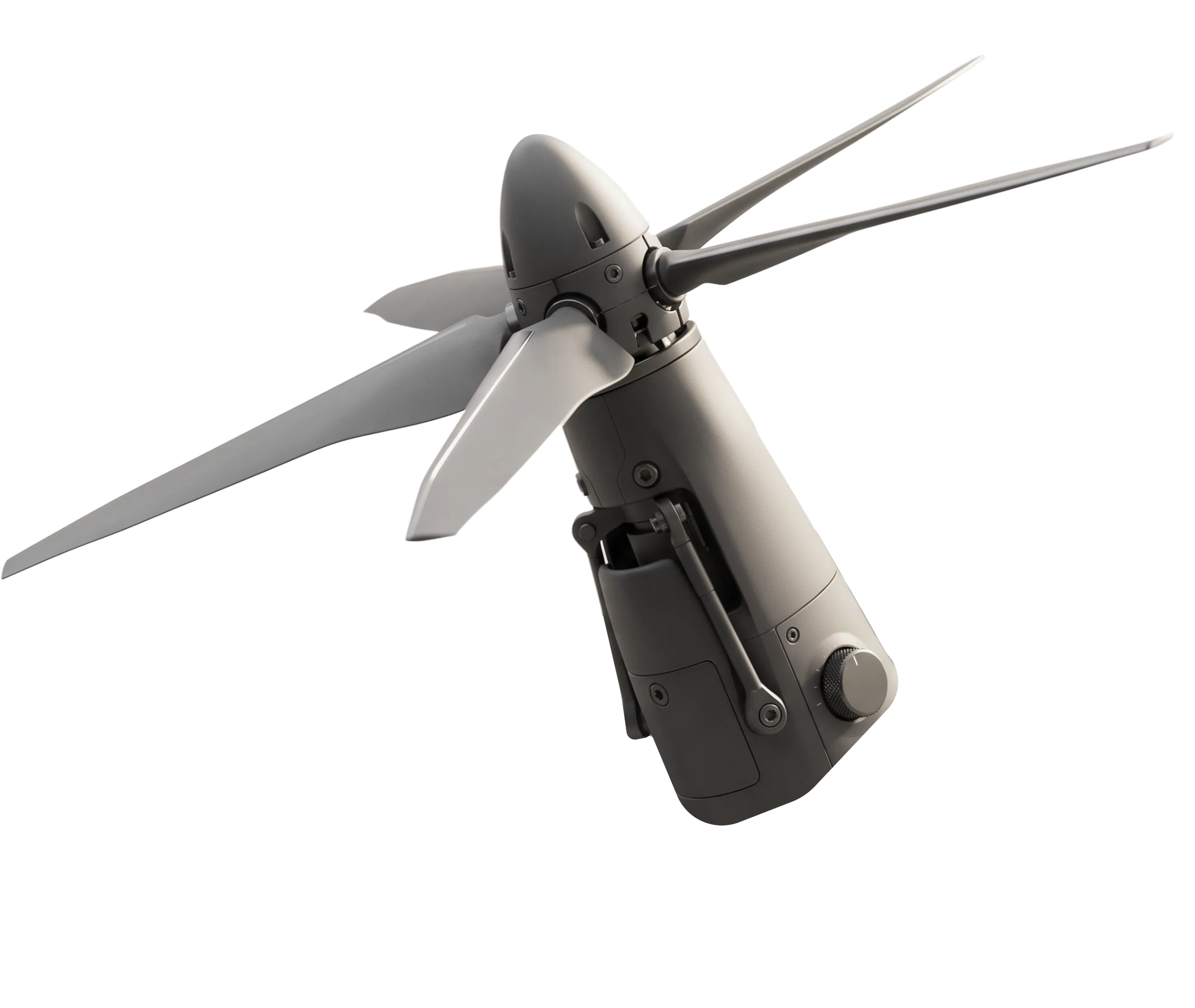
MK-09Lattice structural arms
Noise is the drone industry’s adoption bottleneck: the top complaint near delivery operations and the trigger for flight restrictions in a growing list of cities. The same rotor energy shakes the airframe, blurring sensors and fatiguing joints, and both problems grow with payload. Propeller redesigns are hitting diminishing returns. The path the energy travels is the untreated half.
No duct required. On open props we treat the motor housings, arms and airframe surfaces around the rotor. On ducted platforms, a printed liner of sub-wavelength resonator cells retrofits into the wall. Both are tuned to each airframe’s blade-passage harmonics, and lattice arms keep rotor vibration out of the frame and the payload. Every part ships with its before/after measurement.
For advanced air mobility, noise is a certification gate and the variable that decides where vertiports get built. Vibration is the harder half: multiple large rotors feeding tonal loads into a light composite airframe, driving fatigue, passenger discomfort and avionics wear. Every fix is traded against weight, and conventional treatment, foam or tuned-mass dampers, is too heavy to fly.
Metamaterial geometry folds acoustic depth into millimeters and builds vibration isolation into the structure itself, for open-rotor and ducted designs alike: lift-fan liners, cabin panels, ventilated silencers, and lattice mounts with band gaps tuned to rotor harmonics. Designed against each platform’s spectrum, validated in anechoic and vibration testing.
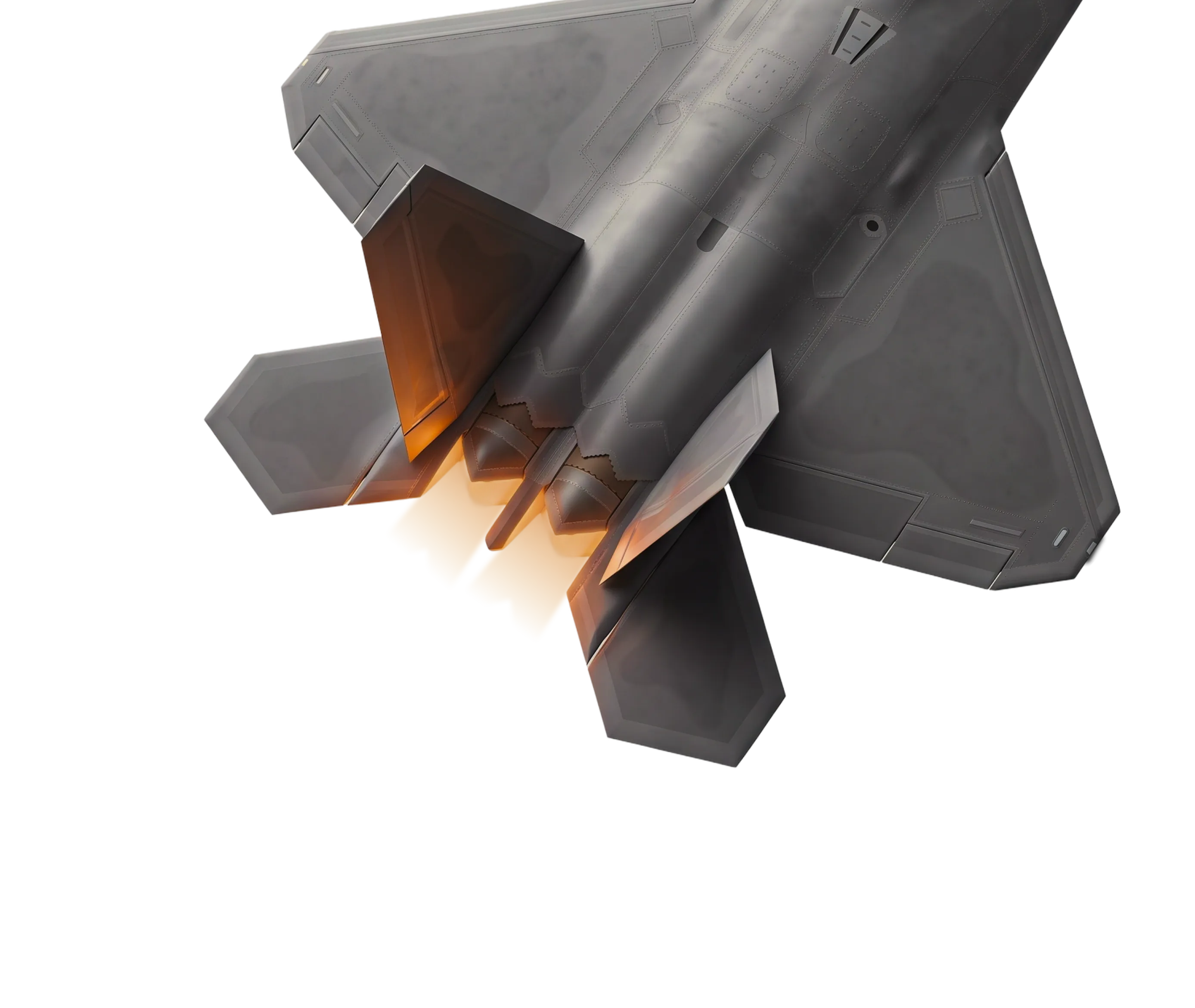
On the modern battlefield, being heard is being found. Acoustic signature sets detection range for small UAS and ground systems, and the same engineering extends to electromagnetic signature.
Printed structures for signature management: tonal absorption tuned to rotor harmonics and dielectric geometries for radar-band control. Dual-use by design, built alongside our commercial platforms.
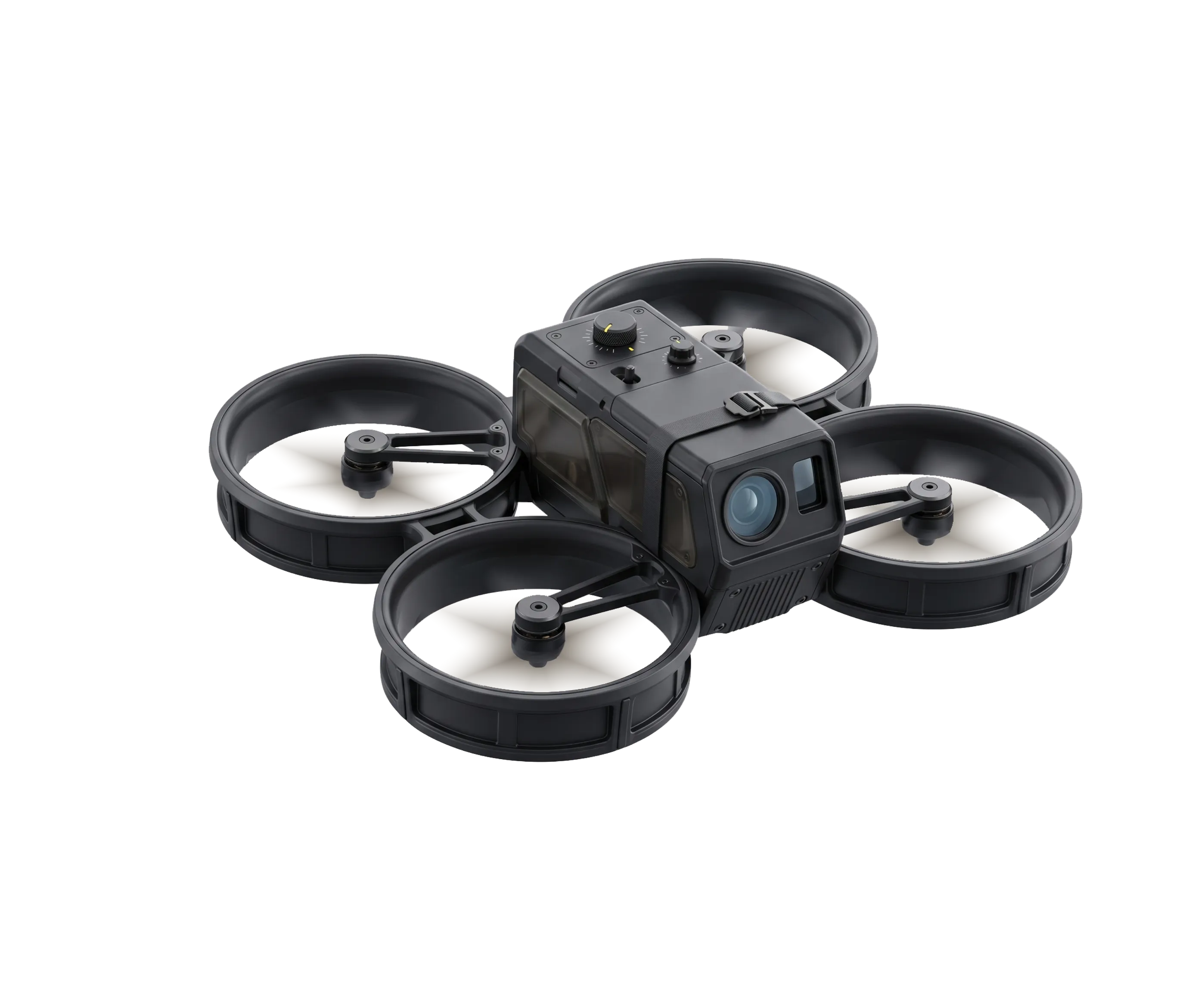
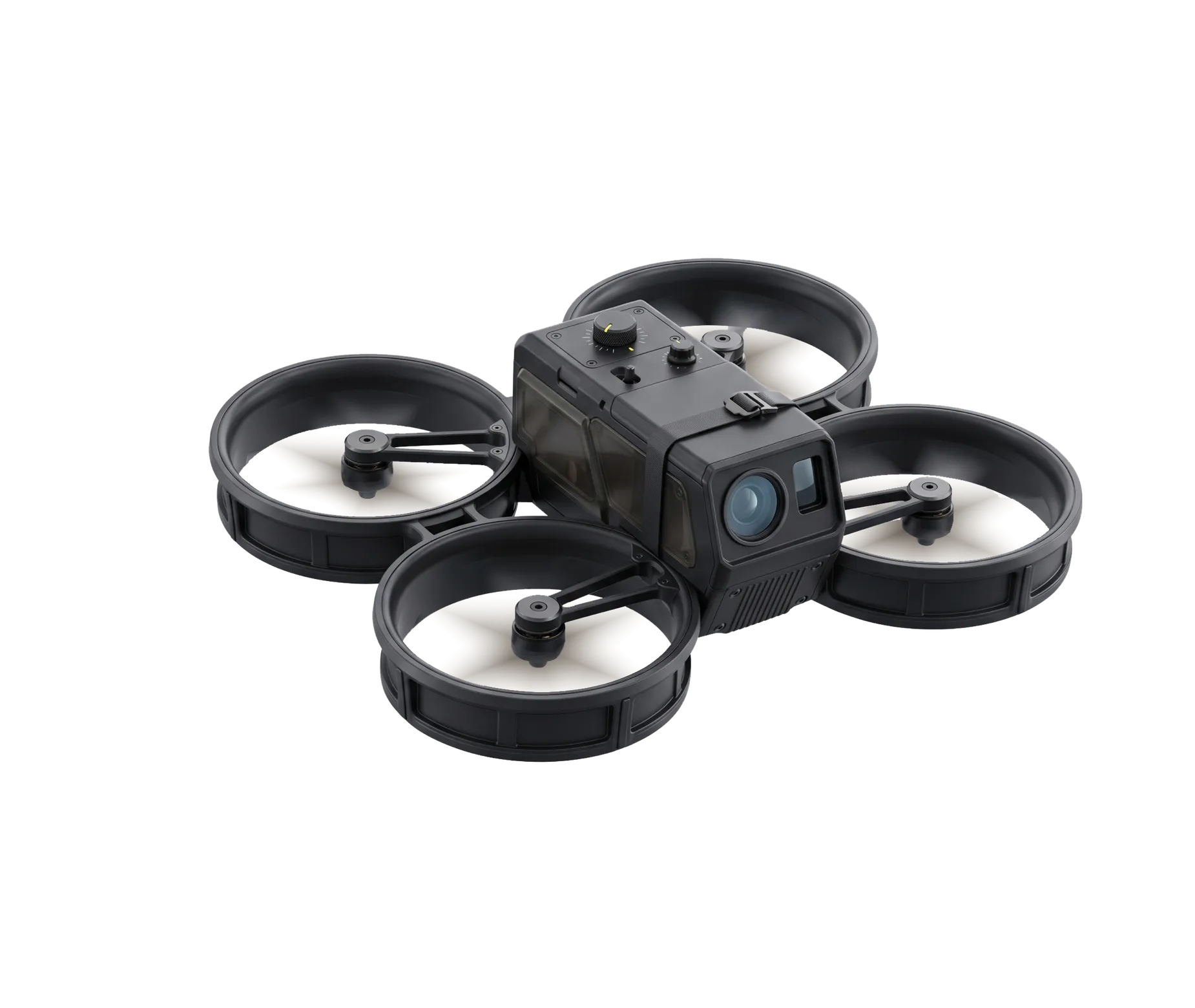
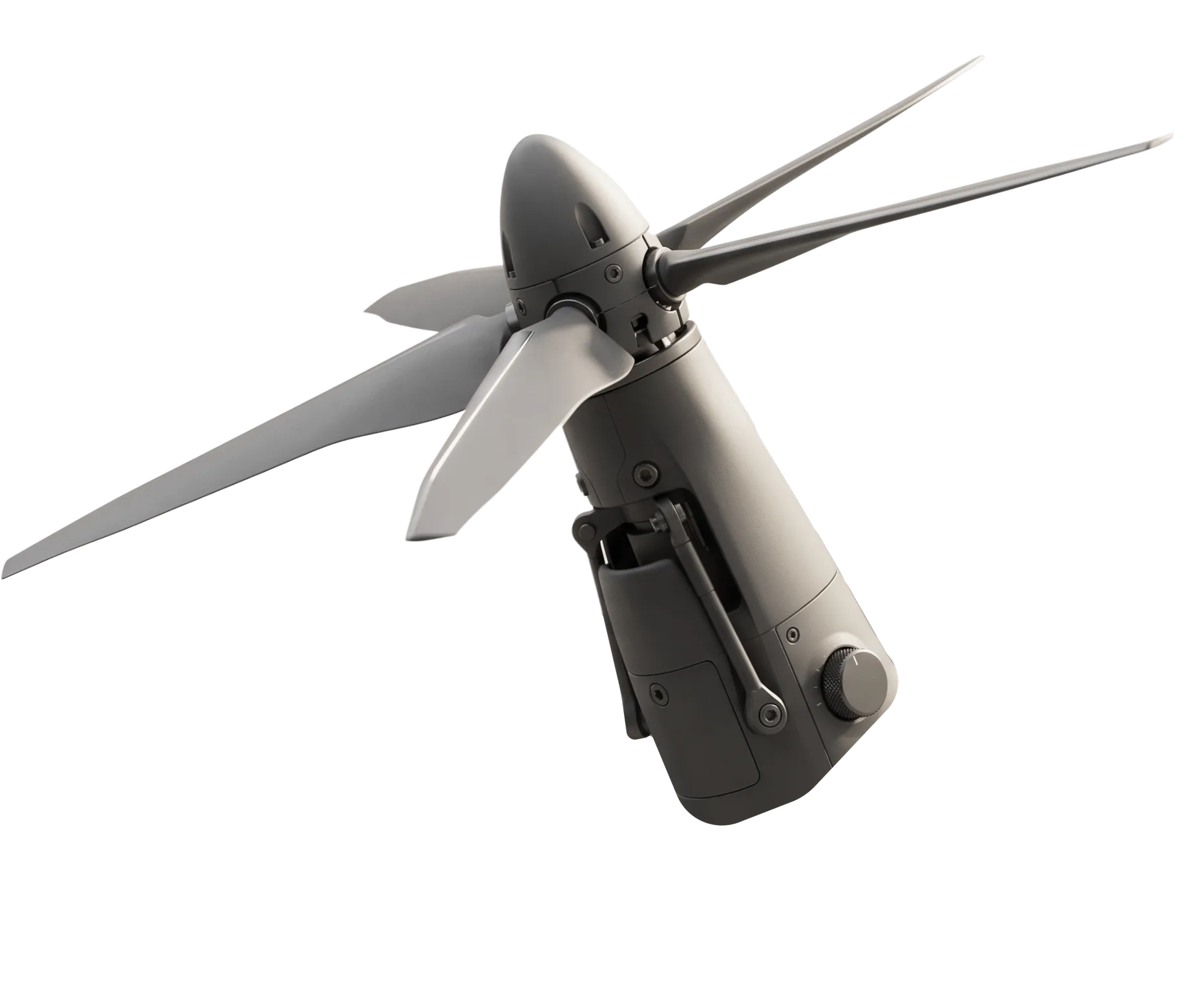
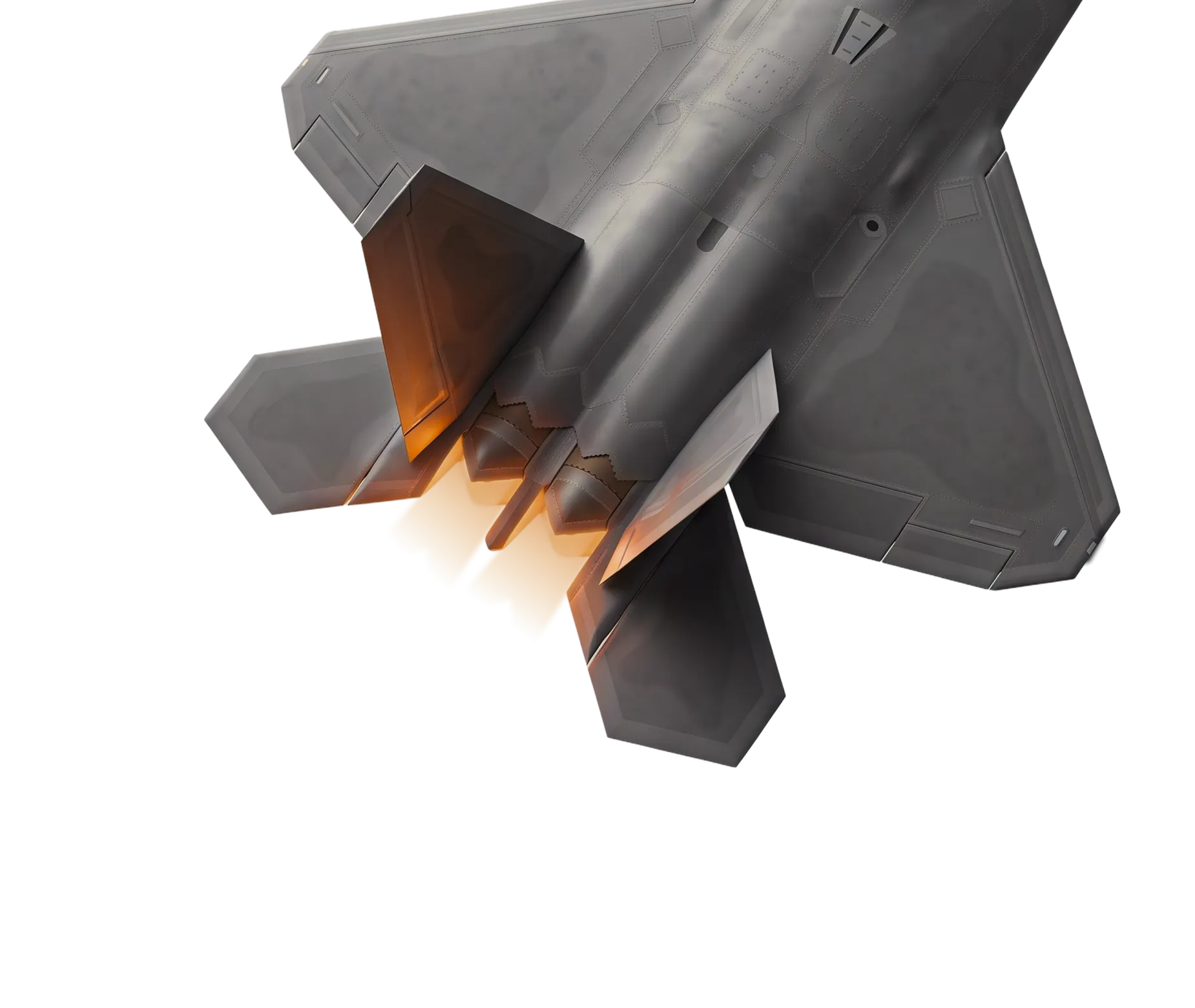
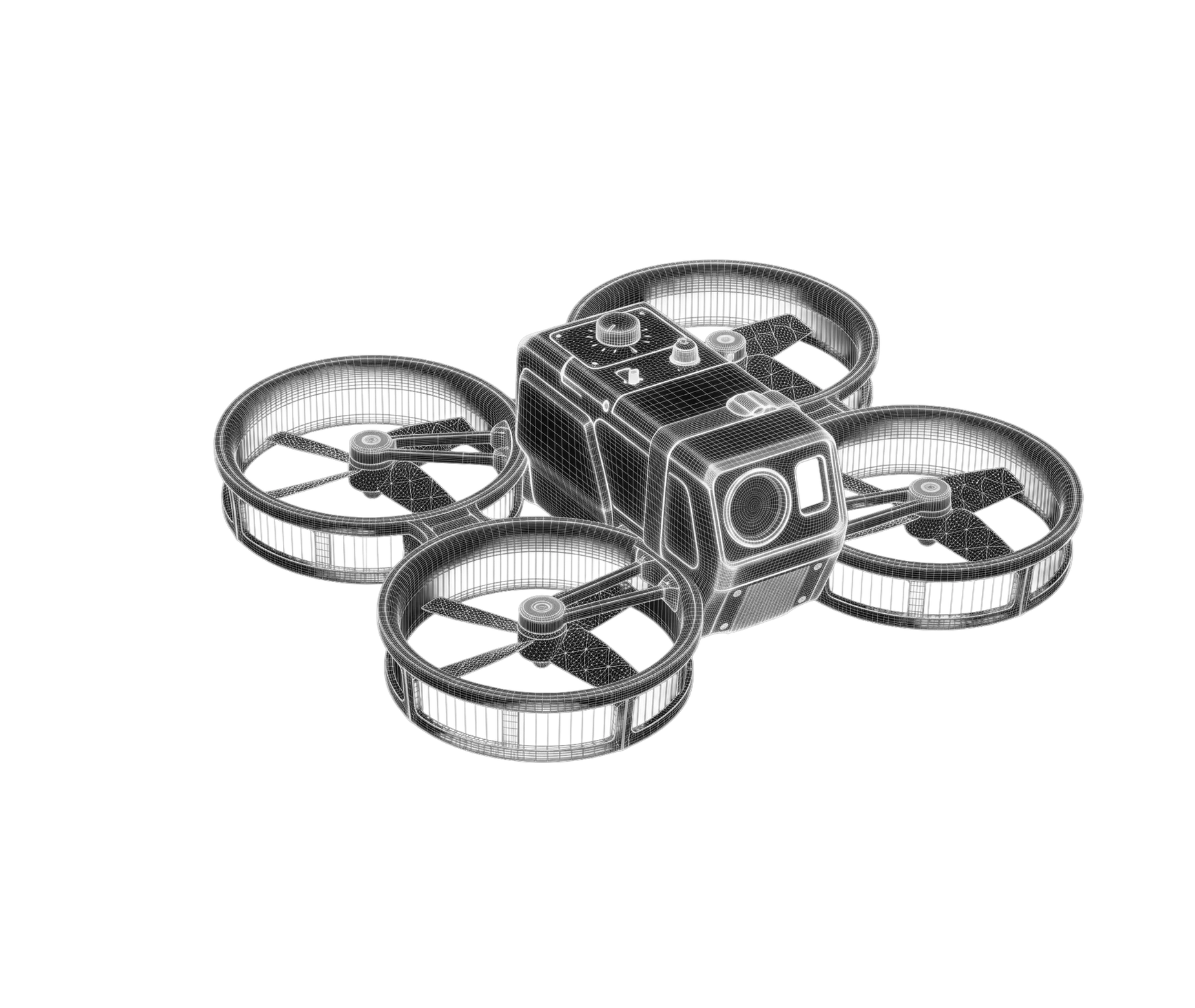
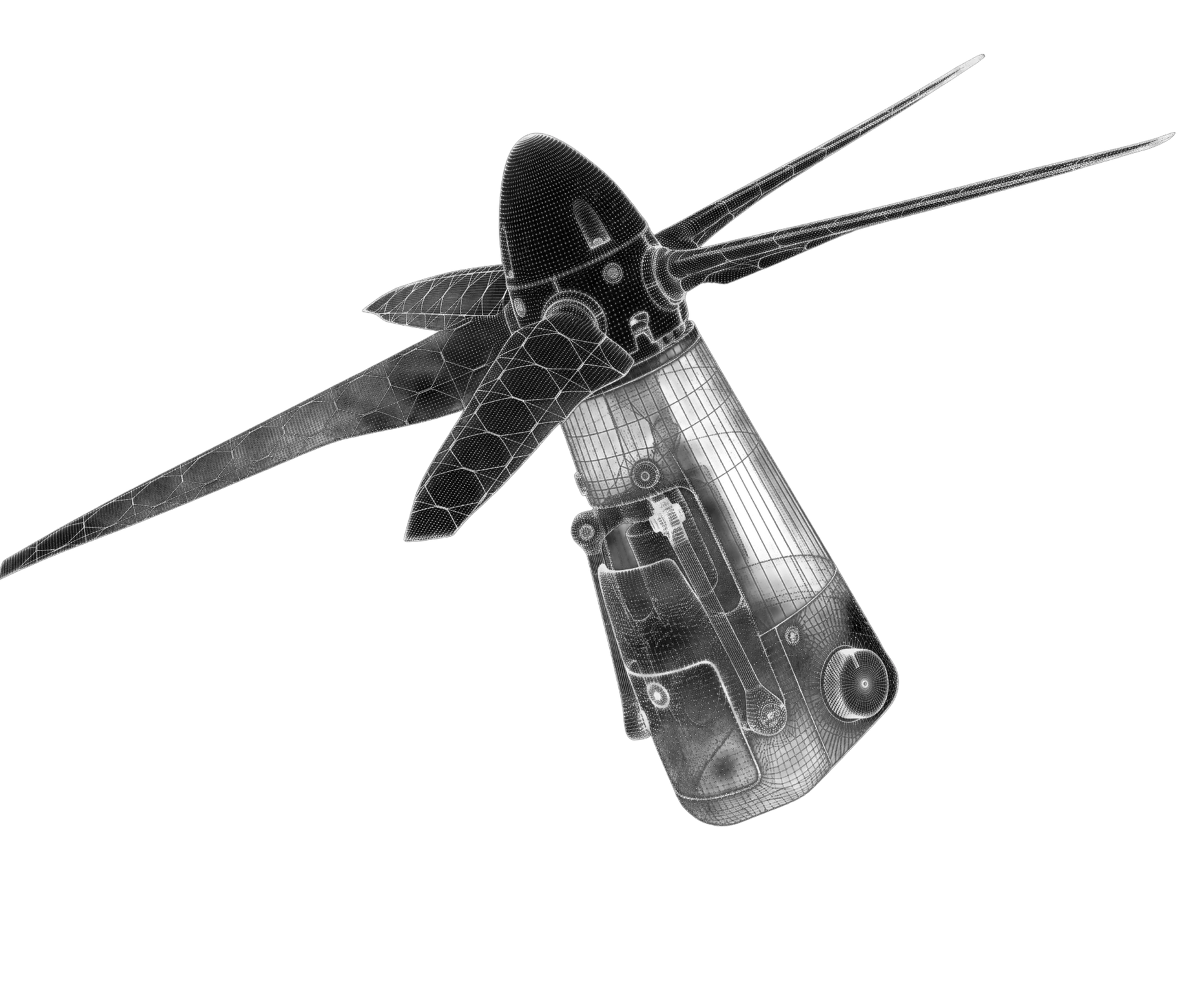


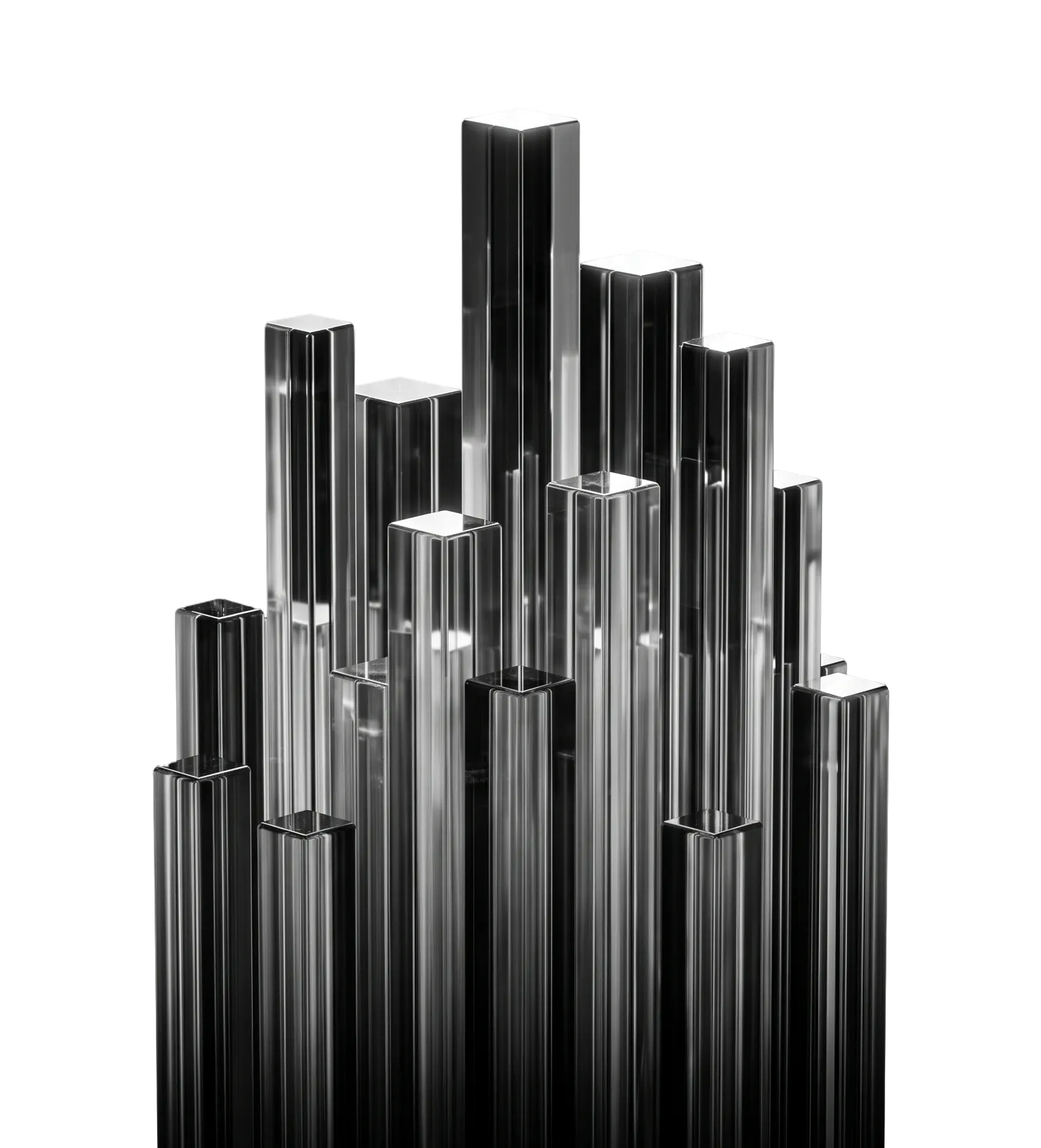
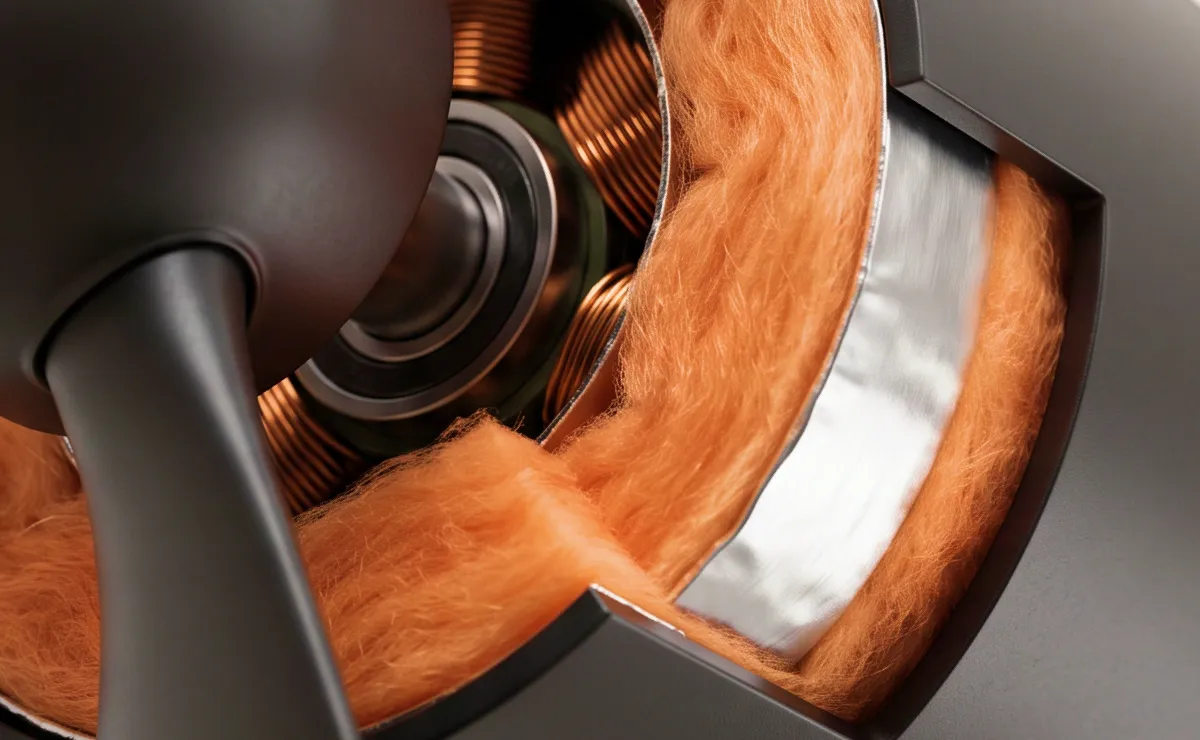 MK-05Duct acoustic liner
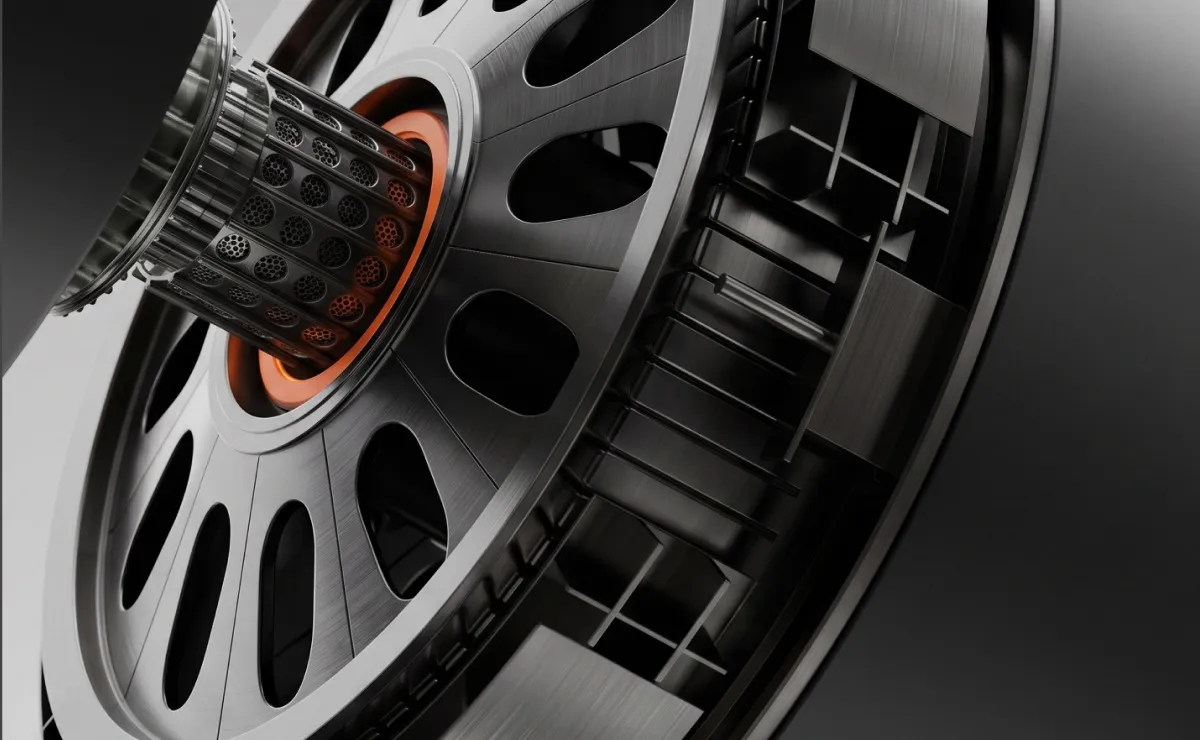 MK-06Rotor shroud assembly
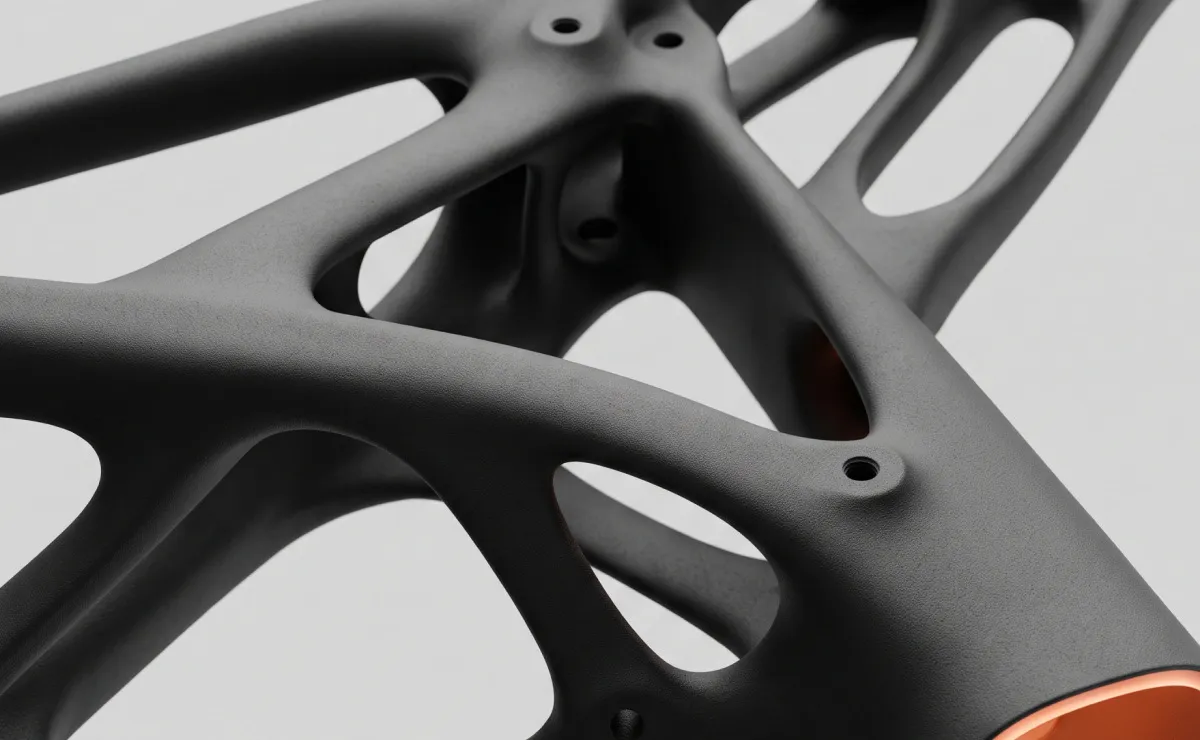 MK-09Lattice structural arms
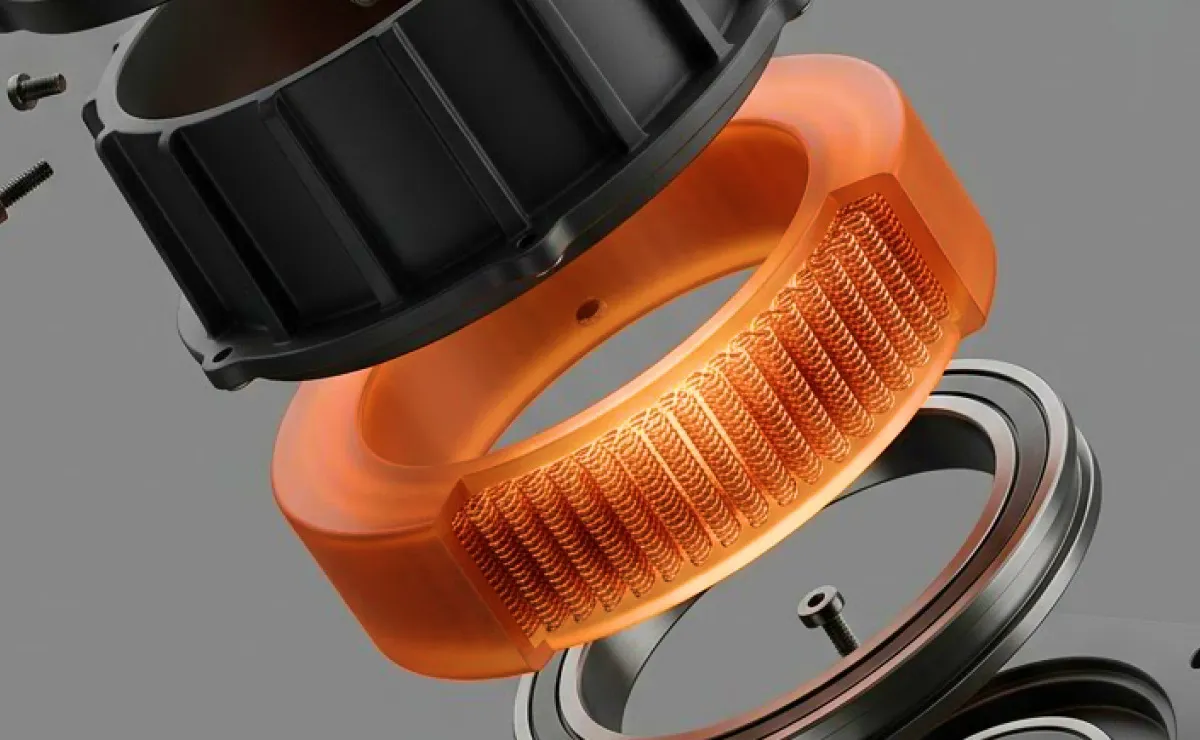 MK-11Lift-fan liner
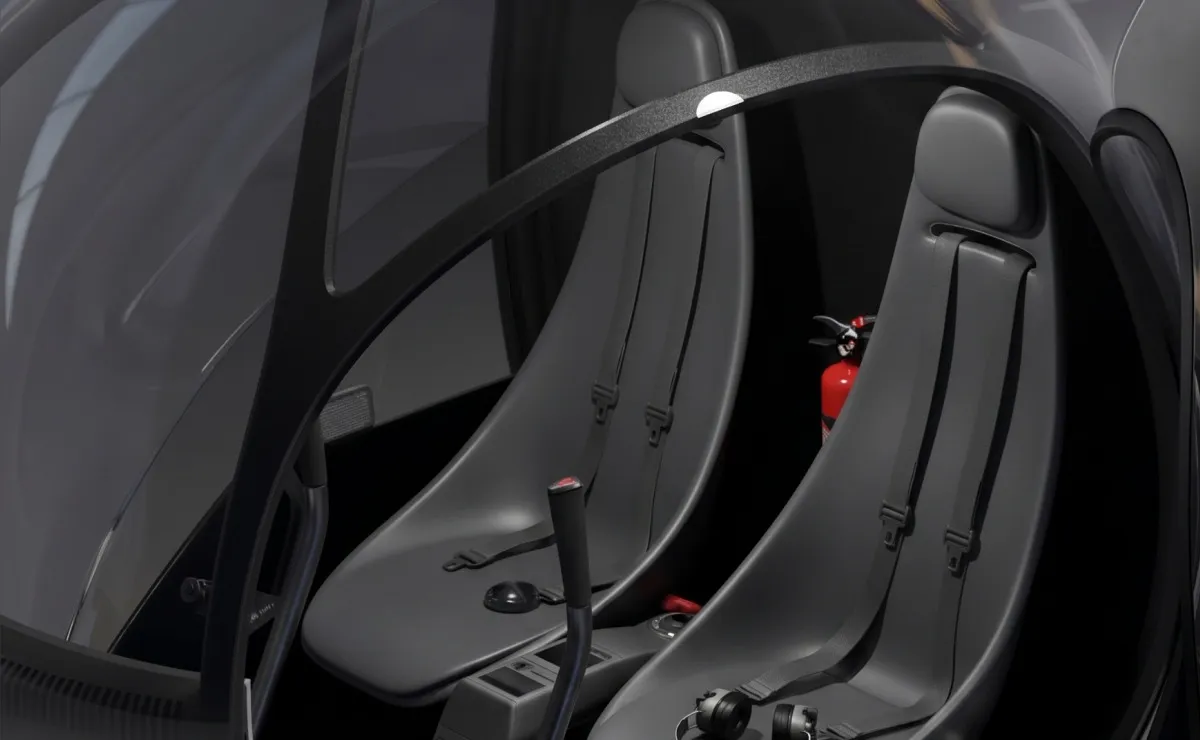 MK-12Cabin panels
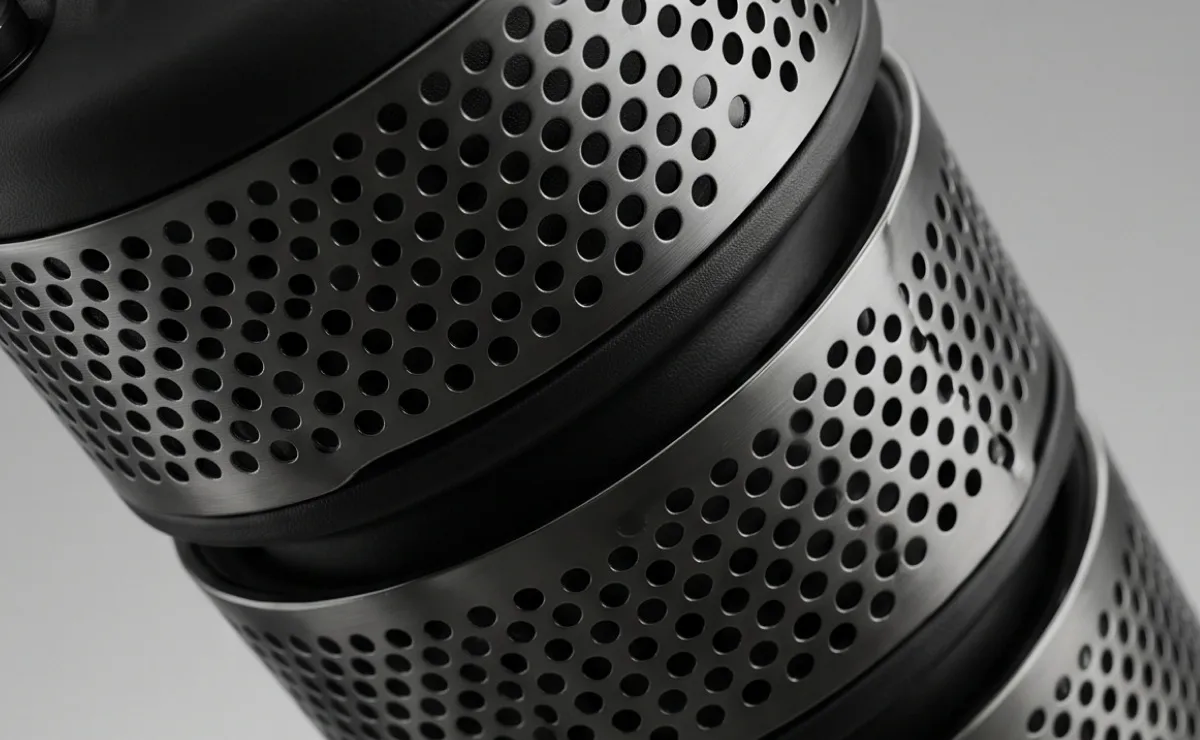 MK-13Ventilated silencer
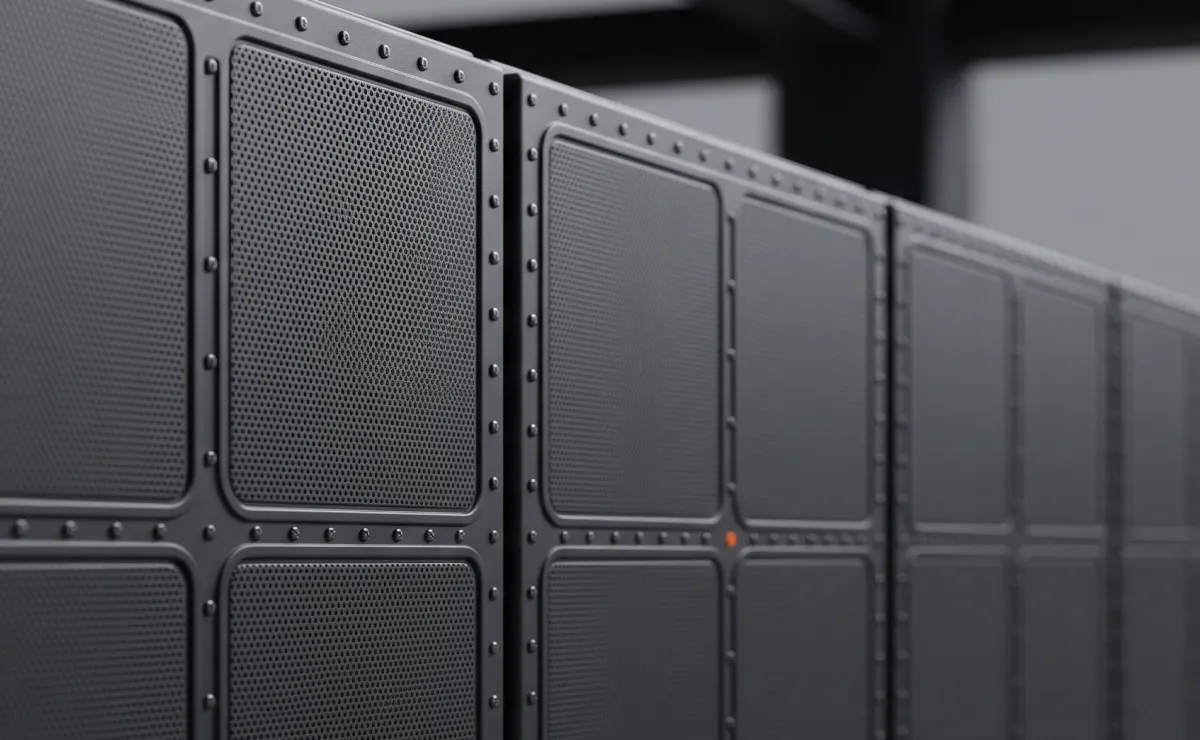 MK-20Signature panel, acoustic + RF
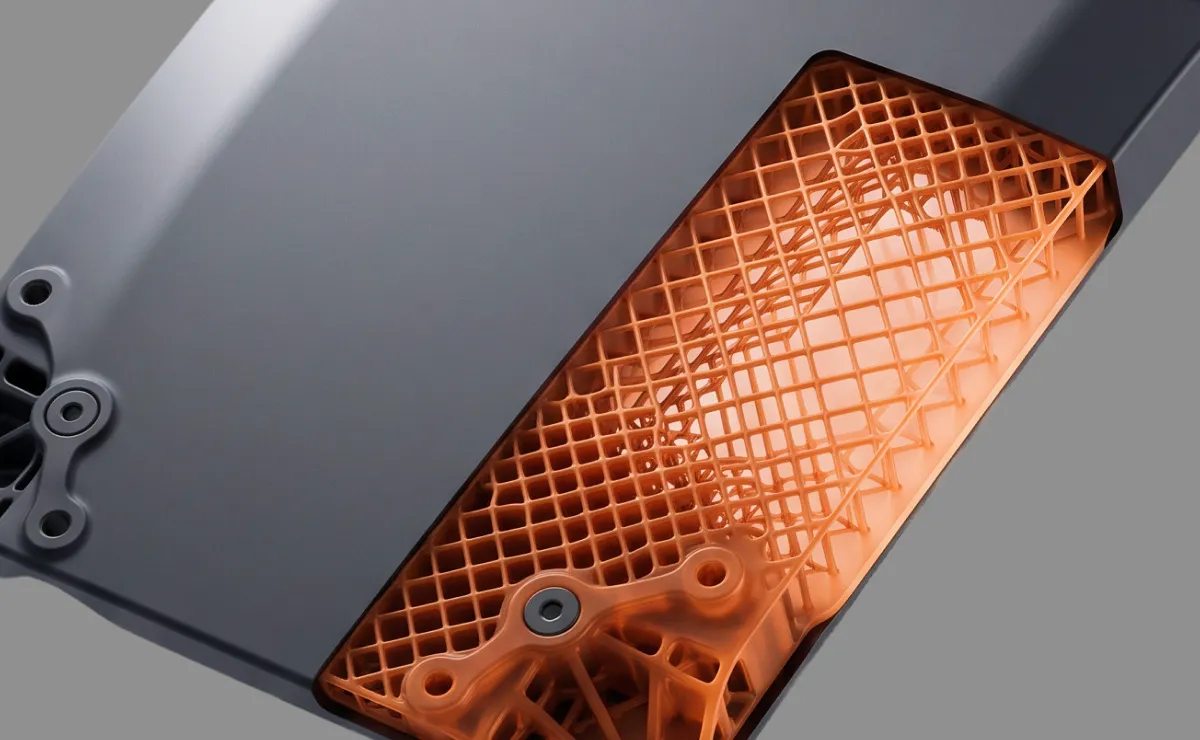 MK-23RF-absorbing lattice
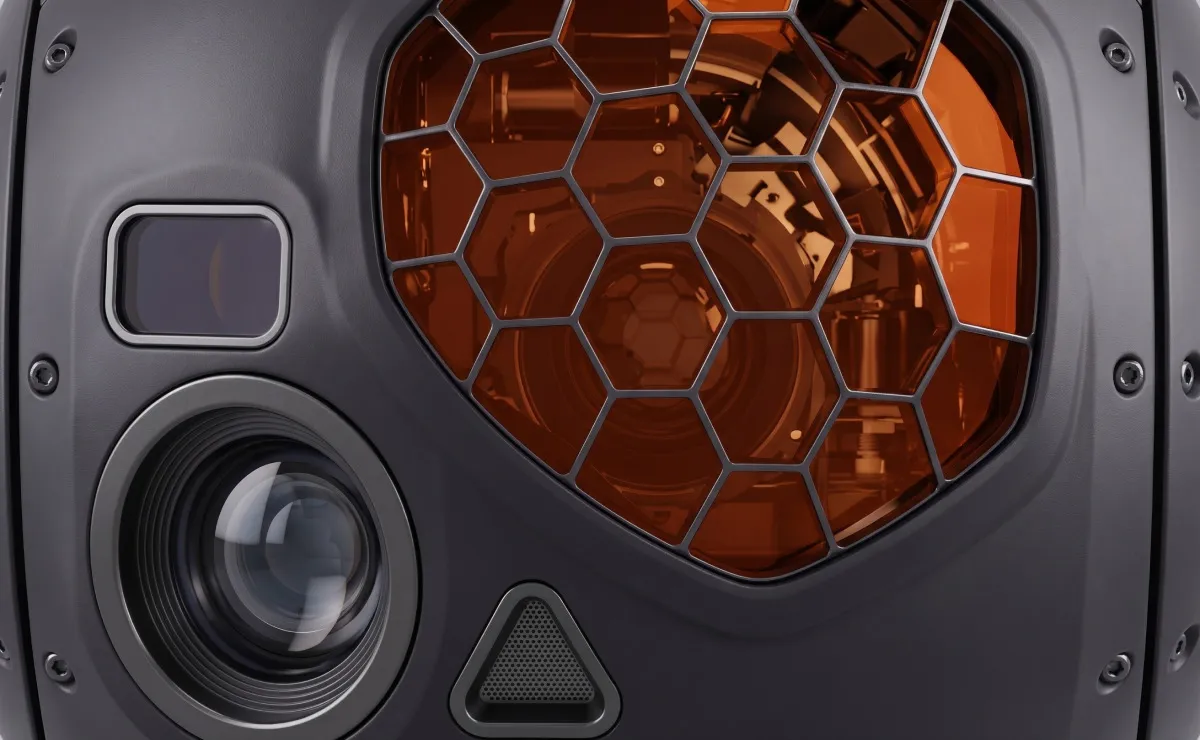 MK-21Gradient-index lens